Does Hemp Help Dogs With Anxiety? A Pet Wellness Guide
Introduction
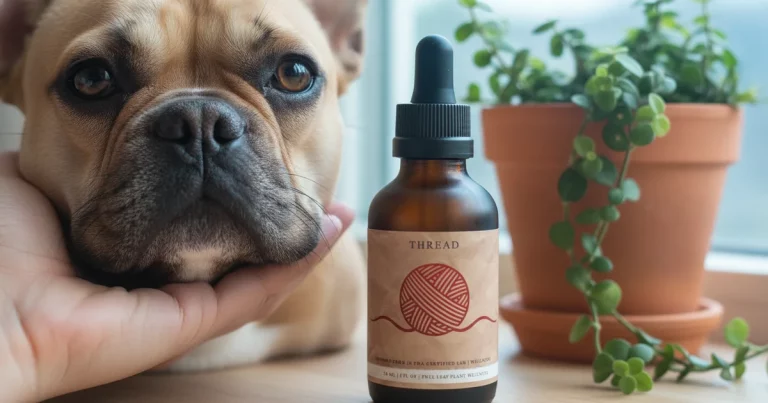
Does hemp help dogs with anxiety? For many pet parents, that question begins with the Red Thread—the invisible, unbreakable bond of health and love that connects a pet and their parent. When a dog seems uneasy, that bond is felt in every pacing step, every whine, and every glance toward the door.
Hemp wellness has become a serious option for families seeking a gentler, research-informed approach. The key is knowing what to look for: full spectrum hemp extract, botanical terpenes, human-grade purity, and verified lab testing.
Primary Benefit / Feature
Full Spectrum Hemp Tincture: Why Product Type Matters
If you are asking does hemp help dogs with anxiety, the first step is understanding product type. Not all hemp oil is the same. Hemp isolate contains only one cannabinoid, CBD, with no terpenes or other cannabinoids. Distillate preserves more of the plant’s profile, and terpenes may be added back. Full spectrum hemp extract is the most complete form, keeping the naturally occurring cannabinoids and terpenes that support the entourage effect.
That matters because dogs may respond differently to a complete plant profile than to a stripped-down formula. A high-quality full spectrum hemp tincture can also be easier to evaluate when the label is transparent. For example, a 30 mL bottle may contain around 5,000 mg of hemp extract, with a documented cannabinoid profile and zero contaminants on the COA. That kind of detail helps pet parents separate real hemp wellness from cheap subscription products that lean on vague claims.
Human-grade manufacturing is another major trust signal. If a hemp tincture is pure enough for human standards, it sets a much higher bar for pets. That is especially meaningful for anxious dogs, because consistency and purity matter as much as potency.
Application / Lifestyle Impact
Daily Calm Starts With Better Ingredients
Does hemp help dogs with anxiety in everyday life? Many pet parents use hemp oil as part of a broader calm-support routine during triggers like thunderstorms, car rides, separation, travel, or grooming. The goal is not to sedate a dog, but to support balance and comfort.
Botanical terpenes are one reason premium hemp tinctures stand apart. Many lower-cost pet products use artificial flavoring to make the bottle more appealing. Botanical terpenes are different: they are biologically active compounds that contribute to function, not just taste. β-Caryophyllene interacts with CB2 receptors, limonene is associated with mood support, myrcene is commonly linked with relaxation, and α-bisabolol is often studied for soothing properties. Most terpene research is based on human or rodent studies, and effects in pets may vary, especially in cats.
**Choose a hemp tincture for pets the same way you would choose one for yourself: human-grade, lab-tested, full spectrum, and made with botanical terpenes instead of artificial flavoring.
For pet parents, that standard supports the Red Thread** in a practical way. The same care you want for yourself becomes the care you extend to your dog.
Science and Evidence
What Research Suggests About Hemp Wellness for Dogs
The best answer to does hemp help dogs with anxiety is careful and evidence-based. Thread Hemp was not used in clinical trials. Instead, its formulation was built by studying the results of two major university studies on hemp wellness for pets and identifying what those formulas were missing. That matters because a science-informed hemp tincture should be designed from research insights, not anecdote.
Veterinary research on dogs suggests hemp extract may influence pathways involved in stress response, comfort, and general well-being. While most cannabinoid research is still broader than veterinary science, the most responsible brands make no exaggerated promises. They simply build better formulas from the evidence available.
Quality control is equally important. FDA-certified manufacturing is exceptionally rare in pet hemp and indicates pharmaceutical-style controls, not just third-party testing. Combine that with COA verification for pesticides, heavy metals, residual solvents, microbiology, and cannabinoid content, and you get a far more trustworthy product.
A premium hemp tincture should be transparent about what it contains: full spectrum hemp extract, measurable cannabinoids, a rich terpene profile, and no contaminants. That is the standard pet parents deserve.
Conclusion
Does hemp help dogs with anxiety? It can be a thoughtful part of a calm-support routine when the product is chosen carefully and used with realistic expectations. Look for full spectrum hemp oil, botanical terpenes, human-grade purity, and FDA-certified manufacturing. Those details are not marketing decoration; they are the foundation of trust.
For pet parents, the right hemp tincture is more than a bottle on a shelf. It is a way to protect the Red Thread with the same level of care you would want for yourself—equal love, equal quality, one bond.
Frequently Asked Questions
Does hemp help dogs with anxiety during thunderstorms?
Many